



Tsuchida – To Be Myself
Venetian glass takes center stage once again on the international art scene with Yasuhiko Tsuchida – Be Myself, the largest solo exhibition ever devoted to the Japanese artist. Held at the Abeno Harukas Art Gallery in Osaka, the exhibition brings together around 200 works created over the past decade, offering a comprehensive overview of Tsuchida’s artistic journey.
The exhibition takes on even greater significance in the context of Expo 2025 Osaka. On the occasion of the event, Tsuchida was selected as one of the fifteen creatives representing the city of Osaka in the inaugural edition of the Louis Vuitton City Guide Osaka 2025. He also took part in initiatives organized as part of the World Expo. This recognition further confirms the artist’s international standing and the significance of his research within the contemporary glass scene.
From emotion to glass: the poetics of Tsuchida Yasuhiko
What makes Yasuhiko Tsuchida’s work particularly distinctive is the way he approaches the creative process. His works do not emerge directly from the material itself, but from a journey shaped by emotions, memories, and words. An intuition first becomes a poem, then a drawing, and is ultimately transformed into glass through collaboration with Venetian master glassmakers.
For the artist, each creation is a translation of a personal experience. Walking, observing the changing seasons, or experiencing a meaningful moment can all become starting points for works that give form to what often remains invisible: memory, time, hope, and the fragility of the human spirit.

Between memory, light and color
The approximately 200 works on display include some of the most representative series of Tsuchida’s career, among them East of Light, Mediterranean, Innocent, Memories of Sakura, and Water Puddles.
For the artist, his glass creations are not conceived primarily as objects for everyday use, but as works to be contemplated. They are presences capable of transforming the atmosphere of a space through light, color, and the energy they radiate, establishing a silent dialogue with those who encounter them.
The Memories of Sakura series is particularly evocative. It was born from the memory of the last cherry tree in bloom that Tsuchida saw together with his father. Through delicate layers of color, the artist transforms a deeply personal memory into a universal image, inviting each visitor to reflect on their own memories and on the passage of time.
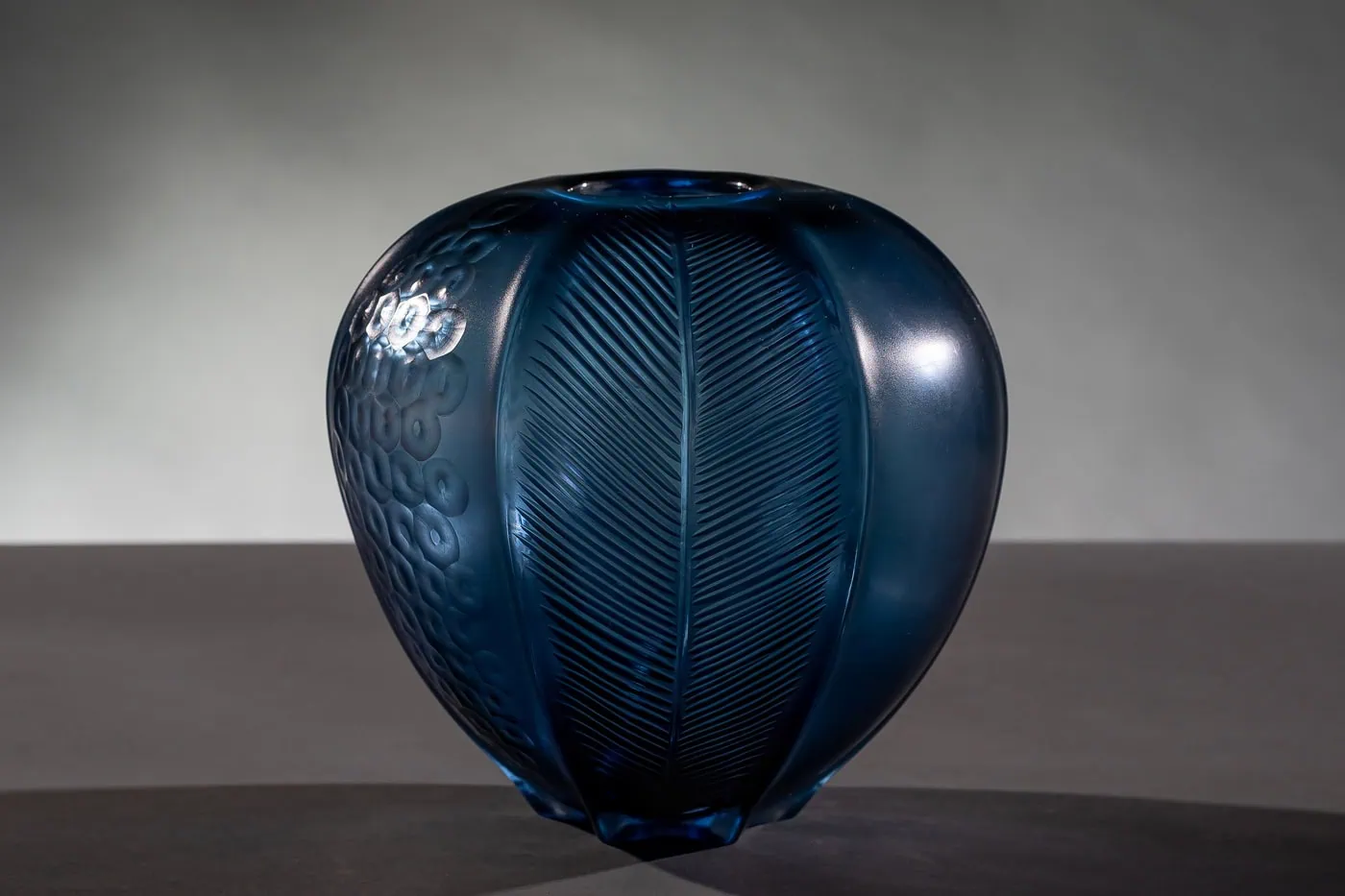
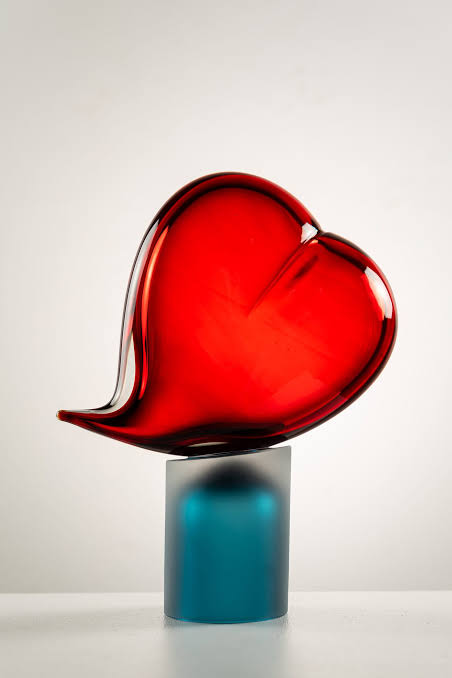
Alongside this series, Innocent explores the world of human emotions. Transparency, warm tones, and soft forms become the language through which Tsuchida expresses feelings such as empathy, kindness, and sensitivity, suggesting that even emotional states can find a physical form in glass.
Glass as a multisensory experience
For Tsuchida, the artwork does not end with its creation. In some works, including those belonging to the Tono del cacao series, the experience is extended to other senses, particularly smell and taste. Some creations are accompanied by chocolate produced by the renowned Japanese pâtisserie S Koyama, inviting visitors to experience the artwork in a more intimate and multisensory way.

This openness to different disciplines reflects the artist’s broader journey. Throughout his career, Tsuchida has brought glass into dialogue with literature, music, gastronomy, and design, developing a deeply personal expressive language.
A story of ten years of life
Looking back on the decade during which these works were created—a period marked by profound global changes; Tsuchida says that he continued to create with the belief that people will always be moved by an object made by the hands of another human being.
The Osaka exhibition therefore becomes much more than a retrospective. It is the story of an artistic and personal journey, in which each work preserves the color of happy days, the shape of more difficult ones, as well as the hopes, uncertainties, and emotions experienced at the moment of its creation.
More than objects, these works are traces of time and of the artist’s life. They transform Venetian glass into a universal medium that transcends the material itself, becoming a bridge between the artist’s sensitivity and the emotions of the viewer.